Review: Cardinal Birds Ornament Print Embroidery
As an embroidery designer who has spent years digitizing artwork for small businesses, I approach every new machine embroidery design with a critical eye. It is not just about whether the image looks pretty on a screen; it is about how it translates to thread, how it holds up on fabric, and ultimately, how it serves the brand identity of the client using it. Recently, I evaluated the Cardinal Birds Ornament Print Embroidery, a digital asset categorized under Illustrations and Graphics, to determine its viability for commercial use in branded merchandise.
The product description highlights this as a Christmas-themed asset, featuring red ornaments and cardinal birds, delivered as an instant download ZIP file. For boutique owners, Etsy sellers, and local creative studios, seasonal designs are high-value assets. However, converting a sublimation-style or print-ready graphic into a stitched reality requires careful consideration. Here is my professional review of how this design performs in real-world business applications.
First Impressions and Visual Personality
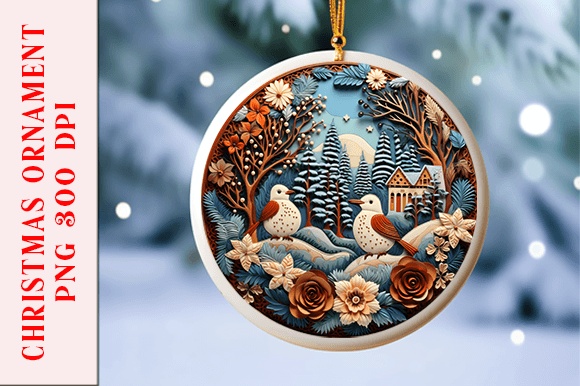
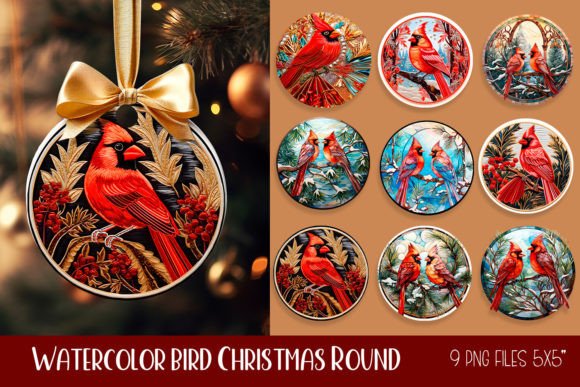
The immediate visual impact of the Cardinal Birds Ornament Print Embroidery is warm, festive, and distinctly traditional. The combination of the bright red cardinal—a symbol often associated with warmth and holiday cheer—alongside classic round ornaments creates a nostalgic aesthetic. For brands that position themselves as handmade, rustic, or family-oriented, this visual personality is a strong match. It feels less like a corporate logo and more like a decorative accent that adds a layer of coziness to a product.
However, because the source material is described with terms like "Christmas Png" and "Sublimation," there is an inherent risk regarding detail. Print graphics often rely on gradients and fine lines that do not translate well to thread. As a designer, my first task was to mentally deconstruct the image. Does it have bold enough shapes to hold stitch density? Is the contrast sufficient? The cardinal’s red plumage against a potentially white or light background suggests good potential for visibility, but the intricate details of feathers and ornament reflections must be simplified during the digitizing process to ensure durability.
Real-World Business Applications
For small business owners, versatility is key. A single design must work across multiple product lines to maximize return on investment. Here is how I see this design fitting into various commercial embroidery projects:
- Embroidered Patches: This is perhaps the strongest application. A satin-stitch border enclosing the cardinal and ornament motif can create a collectible patch for winter-themed apparel. Patches allow for higher stitch density without distorting the base fabric, making them ideal for detailed illustrations.
- Apron Embroidery: For bakeries, florists, and cafes, staff uniforms are walking billboards. Placing this design on the chest or lower corner of a canvas apron adds a seasonal touch that customers notice. It reinforces the idea of a handmade, caring service environment.
- Tote Bag Design: Canvas tote bags are staples for boutique merchandise. The sturdy texture of canvas supports heavier stitching. Using this design as a central focal point on a holiday gift bag or retail shopper can elevate the perceived value of the packaging.
- Cap Embroidery: While possible, this requires caution. The curved surface of a cap front limits the width of the design. If the cardinal and ornament are too wide, they will distort. I recommend using a simplified version or focusing on just the bird for headwear.
When used correctly, these applications enhance brand identity. A consistent visual theme across aprons, bags, and patches builds customer trust and recognition. It signals that the business pays attention to detail, even in their seasonal offerings.
Critical Considerations for Production
While the aesthetic appeal is high, there are technical pitfalls to avoid when using print-derived graphics for embroidery. The description mentions "Christmas Ornament Sublimation" and "Graphics," which implies the original file may be raster-based with complex color blends. In embroidery, we cannot print; we must stitch.
Stitch Density and Detail: Fine details, such as the glint on a glass ornament or individual feather barbs, can become lost if the stitch count is too low or the needle size is too large. Conversely, trying to capture every detail can lead to excessive stitch density, causing the fabric to pucker or the thread to break. I advise simplifying the design elements. Focus on the silhouette of the cardinal and the general shape of the ornament rather than photorealistic shading.
Fabric Texture and Color: This design relies heavily on red thread. On dark uniforms, such as navy or black work shirts, the red will pop beautifully. However, on textured fabrics like terry cloth or heavy wool, small details may get lost in the pile. Always test on the actual fabric stock you intend to use. Additionally, ensure you use a proper stabilizer—cut-away for stretchy fabrics and tear-away for stable woven materials—to prevent distortion.
Hoop Size Constraints: Before purchasing or downloading, verify the available hoop sizes. If the design is large, it may require a 5x7 or 6x10 hoop, limiting its use on smaller items like pocket logos or baby garments. Check the specific dimensions included in the ZIP file to ensure it fits your intended application.
Enhancing Brand Value and Customer Engagement
Incorporating seasonal designs like the Cardinal Birds Ornament Print Embroidery does more than just decorate a product; it drives engagement. Customers love limited-edition or seasonal items. By offering merchandise featuring this design, you create a sense of urgency and exclusivity. It transforms a standard item, like a plain tote or cap, into a special keepsake.
Furthermore, high-quality embroidery signals professionalism. A sloppy, poorly digitized design can damage a brand’s reputation, suggesting carelessness. A crisp, well-executed cardinal motif, however, suggests quality and craftsmanship. This perception of quality allows small businesses to command higher price points for their custom apparel and accessories.
Practical Designer Notes for Implementation
If you are planning to use this asset for your business, follow these steps to ensure a successful finished product:
- Check Licensing: Confirm that the instant download includes commercial rights. Not all digital files are cleared for resale on physical goods.
- Create a Printable Mockup: Before stitching, place the design on a digital mockup of your product. This helps visualize scale and placement.
- Test Stitch-Outs: Always run a test on scrap fabric identical to your production material. Check for thread breaks, puckering, and color accuracy.
- Evaluate Thread Colors: Ensure you have high-quality red threads that match the vibrancy of the cardinal. Cheap thread can fade or look dull after washing.
- Compare Design Assets: Place this design alongside your existing branding elements. Does it clash or complement? Consistency is vital for a cohesive brand image.
In conclusion, the Cardinal Birds Ornament Print Embroidery offers significant potential for small businesses looking to add seasonal flair to their merchandise. While it originates as a graphic illustration, its success lies in thoughtful adaptation to the constraints of thread and fabric. By prioritizing technical precision and strategic placement, you can turn this festive design into a powerful tool for brand enhancement and customer connection.