Review: Embroidery Design Christmas Ornament for Brands
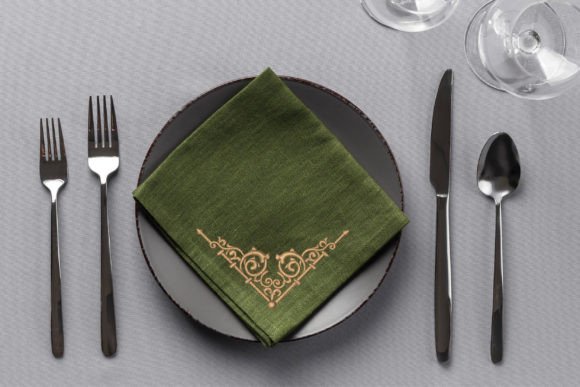
As an embroidery designer who has spent years digitizing files and consulting with small business owners, I approach every new machine embroidery design with a critical eye. It is not enough for a pattern to look pretty on a screen; it must perform under the needle, withstand washing, and elevate the brand identity of the client using it. Recently, I evaluated the Embroidery Design Christmas Ornament, a vintage-style corner motif, to determine its viability for commercial use beyond simple holiday decor.
This review focuses on how this specific embroidery file can serve small business owners, from boutique cafes to handmade Etsy sellers. We will look at its aesthetic appeal, practical application on various garments, and the technical considerations necessary for a professional finished product.
First Impressions: Vintage Elegance Meets Versatility
The Embroidery Design Christmas Ornament presents itself as a one-color corner pattern with a distinct vintage style. My immediate impression was that this design feels elegant and decorative rather than bold or modern. The description notes suitability for interior decor, napkins, weddings, and birthdays, which suggests a delicate touch. For a brand, this translates to a sense of refinement and attention to detail.
Unlike aggressive, high-contrast logos used for sports teams or tech startups, this design offers a softer, more approachable vibe. It feels handmade and premium. For businesses in the wedding industry, floristry, or artisanal baking, this visual personality aligns perfectly with a brand identity that values tradition and warmth. However, because it is described as a "corner" design, its placement potential is specific, requiring thoughtful integration into larger design assets.
Real-World Applications for Small Business Merch
When considering small business merch, versatility is key. Here is how I envision this design performing in real commercial scenarios:
- Apron Embroidery: For a bakery or florist, placing this vintage ornament in the corner of a linen apron adds a subtle touch of class without overwhelming the uniform. It acts as a sophisticated watermark for the brand.
- Napkins and Textiles: As suggested by the product description, this is ideal for napkins. A cafe could use this on cloth napkins to enhance the dining experience, making disposable or reusable textiles feel like part of a curated event.
- Tote Bag Design: While often used for large logos, a corner accent on a canvas tote can create a balanced, asymmetrical look. It works well when paired with a text-based logo on the opposite side, creating visual harmony.
- Gift Packaging Accents: Creative studios can embroider this onto fabric tags or ribbon ends for high-end product packaging, adding tangible value to the unboxing experience.
The single-color nature of the design makes it cost-effective for bulk orders, such as staff uniforms or event giveaways. It reduces thread changes and production time, which is crucial for maintaining healthy margins in commercial embroidery projects.
Strategic Placement and Brand Identity
Using the Embroidery Design Christmas Ornament effectively requires understanding its role in brand recognition. Because it is a decorative element rather than a primary logo, it should support, not replace, your main branding. Think of it as a visual signature.
For custom apparel, this design works best as a secondary detail. Imagine a work shirt with the company name on the back and this vintage corner motif subtly placed on the cuff or collar. This level of detail signals professionalism and care. It builds customer trust by showing that the business invests in quality presentation. When customers see consistent, high-quality embroidery across aprons, bags, and packaging, their perceived value of the handmade product increases.
However, caution is needed. If your brand identity is ultra-modern or minimalist, this vintage style might clash. Always compare the design beside other design assets to ensure visual consistency. The goal is to enhance the brand narrative, not confuse it.
Technical Considerations for Production
From a technical standpoint, there are several factors to review before running this digital embroidery file on production machines. Since the exact stitch count and hoop size are not specified in the brief description, you must verify these details with the seller before purchase.
- Stitch Density and Fabric Texture: Vintage designs often rely on fine details. Check the stitch density to ensure it does not pucker lightweight fabrics like silk napkins or thin cotton tees. On textured fabric, such as canvas totes, ensure the stitches are dense enough to cover the weave without losing definition.
- Thread Color Contrast: Since the design is made in one color, contrast is vital. Test it in black and white first. If you are embroidering on dark uniforms, ensure the thread color stands out. A low-contrast combination may render the intricate vintage details invisible from a distance.
- Stabilizer Selection: For items that need frequent washing, such as aprons or napkins, use a cut-away stabilizer to prevent distortion. For decorative items like wall hangings or occasional-use tote bags, a tear-away may suffice, but always test on real fabric first.
- Size and Scaling: Be cautious with small patch sizes. Intricate vintage patterns can lose clarity if scaled down too much. Confirm the minimum viable size for this design to maintain its elegance. It may not be suitable for tiny chest logos on caps if the details merge together.
Where to Use Caution
While versatile, this design is not a universal solution. Avoid using it on curved surfaces like cap fronts unless you are experienced with hooping techniques, as corner designs can distort on tight curves. Additionally, avoid placing it where high friction occurs, such as the inner elbow of a shirt, as the delicate vintage lines may wear faster than bold, solid fills.
Also, consider the context. While the title mentions Christmas, the vintage style allows for year-round use in weddings or birthdays. Do not limit it to holiday merch unless your brand is strictly seasonal. Expanding its use to name days or general interior decor maximizes the return on investment for the embroidery file.
Final Designer Notes
Before integrating the Embroidery Design Christmas Ornament into your product line, create a printable mockup for client approval. Visualizing the corner placement on a digital template helps stakeholders understand the scale and aesthetic impact. Furthermore, always confirm commercial licensing terms. Ensure you have the right to use the design for physical goods you intend to sell.
In summary, this design is a strong candidate for businesses seeking to add a touch of vintage elegance to their merchandise. It excels in applications like apron embroidery, napkin detailing, and tote bag accents. By paying attention to thread contrast, stabilizer choice, and placement, you can transform this simple corner motif into a powerful tool for brand enhancement. It is a reminder that in the world of custom apparel and branded goods, sometimes the smallest details make the biggest impression.