Reviewing Festive Circle Embroidery Designs for Real Projects
As an embroidery designer who spends countless hours digitizing and stitching, I approach every new machine embroidery design with a mix of curiosity and caution. We all know the drill: a beautiful thumbnail on Creative Fabrica does not always translate to a smooth stitching experience on the machine. Recently, I took a close look at Festive Circle Embroidery Designs to determine if it holds up for real-world commercial use. Whether you are an Etsy seller, a small business owner, or a hobbyist looking to elevate your handmade gifts, understanding the practical application of these assets is crucial before you hit download.
First Impressions and Visual Mood
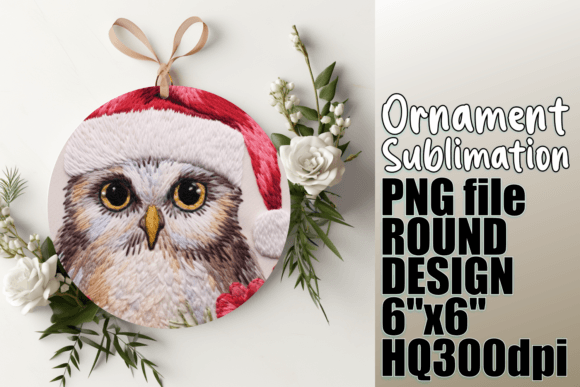
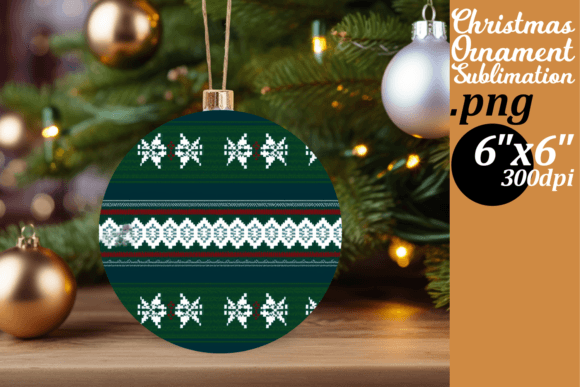
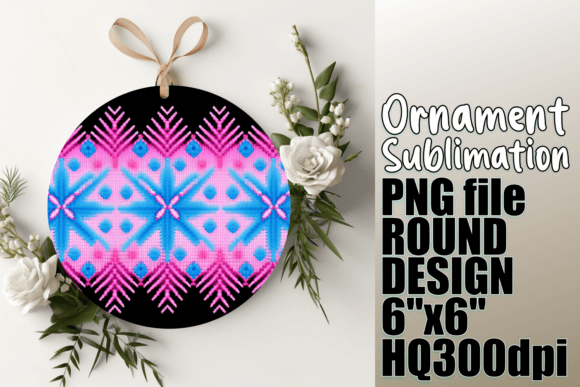
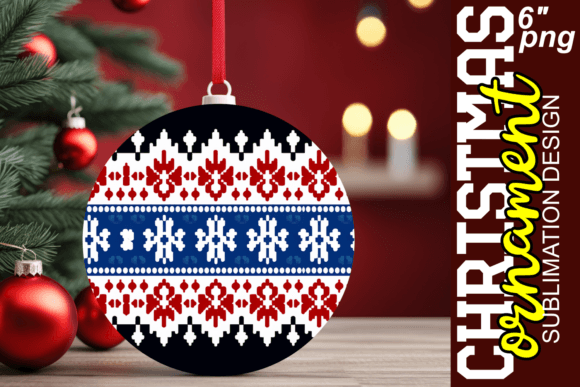
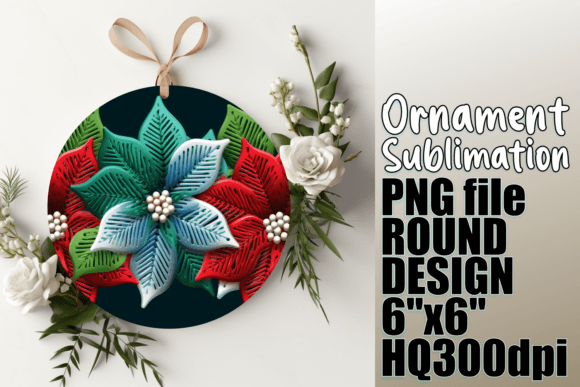
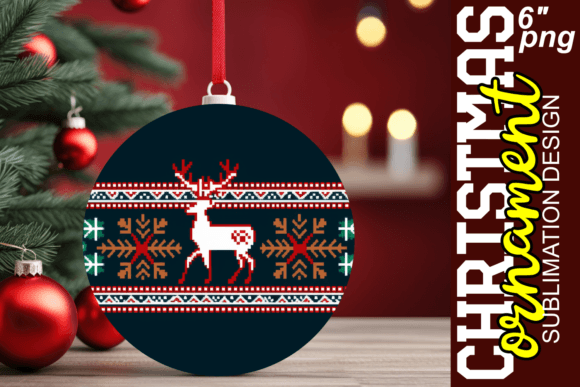
The immediate appeal of Festive Circle Embroidery Designs lies in its cohesive aesthetic. The circular format is timeless, offering a balanced composition that works exceptionally well for central placement on garments and home decor. Visually, the designs carry a warm, celebratory mood that fits seamlessly into seasonal collections. For designers working in the Crafts category, this type of graphic offers versatility. It is not just about the image; it is about how the elements interact. The detail level appears sufficient to create visual interest without becoming a nightmare of micro-stitches that break needles or cause thread breaks.
When evaluating any digital embroidery file, I look for personality. Does it feel generic, or does it have a distinct character? These circle designs possess a decorative appeal that suggests quality. They are not merely clipart converted into stitches; they appear to be considered compositions. This distinction is vital for brand consistency. If you are building a boutique merchandise line, your finished product needs to look intentional and professional, not like a last-minute addition.
Practical Applications for Commercial Embroidery
The true test of any embroidery file is its adaptability across different substrates. I evaluated how Festive Circle Embroidery Designs might perform on various common items found in a custom apparel shop.
- Tote Bag Design: The circular shape centers beautifully on canvas totes. A medium-density fill stitch would provide durability against frequent washing and heavy use.
- Sweatshirt Embroidery: On fleece or cotton blends, these designs can serve as a focal point on the chest or back. However, one must consider the stretch of the fabric and use appropriate stabilizers to prevent puckering.
- Embroidered Patch: Circular designs are ideal for patches. You can satin stitch the border for a clean finish, making them easy to sew onto jackets or hats later.
- Kitchen Towels and Aprons: For items that undergo rigorous laundering, the stitch density must be balanced. Too dense, and the towel becomes stiff; too light, and the design may distort after washing.
- Nursery Decor and Baby Items: Softness is key here. Using softer threads and ensuring no scratchy backing remains is essential for baby blankets or onesies.
For those selling personalized gift items, these graphics can be combined with monograms or names. The open space within or around the circle often allows for text integration, increasing the perceived value of the item. A simple name added to a festive circle transforms a standard item into a cherished keepsake.
Technical Considerations and Stitching Performance
Before loading any design into your hoop, technical due diligence is required. While Festive Circle Embroidery Designs looks promising, several factors influence the final outcome. First, consider the hoop size. Ensure the design fits comfortably within your machine’s maximum area, leaving room for proper hooping tension. If the design is large, you may need to resize it, which can affect stitch density.
Stitch density is a critical factor. High-density areas, such as solid fills or overlapping elements, can cause fabric distortion, especially on lighter materials like silk or thin cotton. Conversely, low-density areas might show the fabric background too much, reducing the vibrancy of the thread colors. I recommend reviewing the stitch types used. A mix of satin stitch for borders, fill stitch for larger areas, and running stitch for details usually provides the best balance of coverage and flexibility.
Another important note involves the product description provided by the creator. It states: "To effectively use this file, a thorough understanding of sublimation is essential. Ensure you have the requisite software and equipment before purchasing, as I can’t assist with the process." This is a crucial detail. It suggests that while this is listed under Graphics and may be marketed towards embroidery enthusiasts, the primary intended use or the support structure might lean heavily towards sublimation printing rather than direct machine embroidery stitching. As an experienced designer, I advise you to verify if this is a pure embroidery file (PES, DST, etc.) or a hybrid graphic intended for print-to-sublimate workflows. If you are strictly a machine embroiderer without sublimation equipment, this distinction changes how you utilize the asset. You might use it as a reference for digitizing your own version or as a printable mockup for client approvals, rather than stitching it directly.
Enhancing Product Value and Buyer Trust
In the competitive world of online sales, presentation is everything. Using high-quality design assets like Festive Circle Embroidery Designs can significantly enhance your product photography. A well-executed embroidery sample looks tangible and luxurious in photos, boosting buyer trust. When customers see clean lines, consistent tension, and vibrant colors, they associate that quality with your brand.
Moreover, these designs can help with commercial embroidery scalability. If a design stitches out reliably, you can produce multiple units without constant troubleshooting. This efficiency lowers your labor cost per unit and increases profit margins. For craft fair products, having a cohesive collection based on a single design theme creates a stronger visual impact on your booth display.
Final Recommendations for Makers
If you decide to incorporate Festive Circle Embroidery Designs into your workflow, follow these practical steps:
- Test on Scrap Fabric: Always stitch a test sample on the same material you intend to use for the final product. Check for puckering, thread breaks, or registration issues.
- Check Thread Color Contrast: Ensure your thread choices stand out against the fabric. Dark fabrics may require lighter threads or an underlay adjustment.
- Use Proper Stabilizer: Match your stabilizer to the fabric weight. Cut-away stabilizers are often better for stretchy fabrics like sweatshirts, while tear-away works for stable woven cottons.
- Verify Licensing: Before selling finished items, confirm the license terms on the Creative Fabrica product page. Understand if there are restrictions on the number of physical items you can sell.
- Inspect Small Details: After stitching, inspect the smallest elements. If tiny details are getting lost or causing jams, consider simplifying the design or adjusting the pull compensation.
In conclusion, Festive Circle Embroidery Designs offers a visually appealing option for designers looking to add festive flair to their projects. However, the specific note regarding sublimation expertise requires careful attention. Ensure your equipment and skills align with the file’s intended use. By treating this asset with the technical respect it deserves, you can create stunning handmade products that delight customers and strengthen your brand reputation.