Review: Cute Bunny with Heart Valentine Applique
As a designer who has spent countless hours hooping, stitching, and unpicking, I approach every new machine embroidery design with a mix of curiosity and skepticism. We have all been there: you download a file that looks perfect on the screen, only to find it turns into a tangled mess of thread breaks and puckering on actual fabric. Today, I am putting the Cute Bunny with Heart, Valentine Applique Embroidery under the microscope. This is not just about whether it is "cute"—it is about whether it works in the real world of craft businesses and handmade products.
First Impressions and Visual Personality
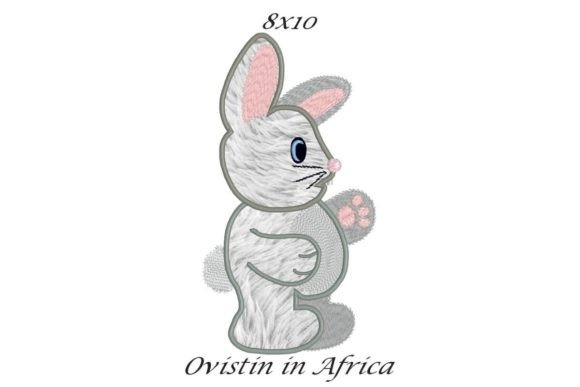
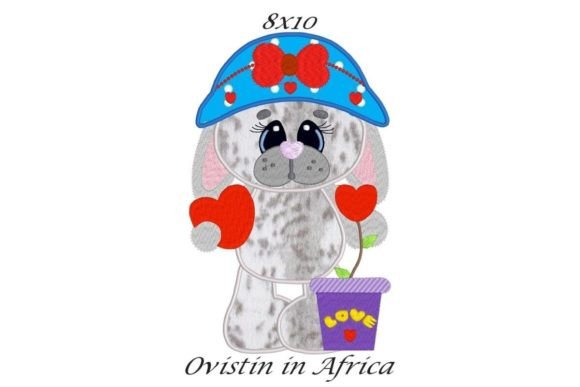
The first thing that strikes me about this design is its immediate warmth. It captures the charm and sweetness of the season of love without relying on overly complex detailing that can get lost in stitching. The central element features an endearing illustration style that translates well into thread. For those of us working in the Farm Animals niche or general seasonal Embroidery, finding a balance between simplicity and character is crucial. This bunny does not try to be realistic; instead, it leans into a stylized, graphic appeal that reads clearly even from a distance.
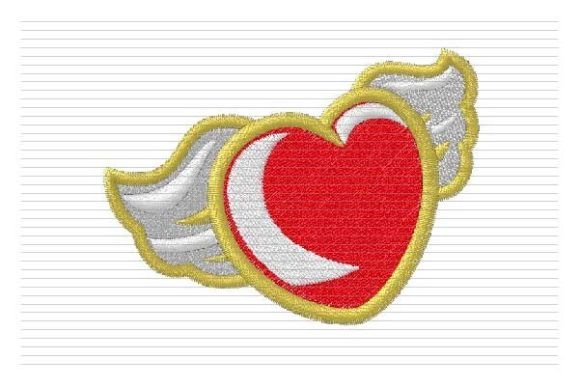
The layout feels balanced. The heart element provides a natural focal point that draws the eye, while the bunny’s posture suggests softness and approachability. In terms of visual personality, it feels friendly and safe, making it an ideal candidate for projects where the end-user wants to feel comforted or delighted. It avoids the sharp angles or dense fill areas that often cause issues on curved surfaces or stretchy fabrics.
Real-World Application: The Tote Bag Test
To truly evaluate an applique design, you have to imagine it on a product. I recently considered using this design for a custom order of canvas tote bags for a local boutique’s Valentine’s Day promotion. Canvas is a forgiving fabric, but it has a distinct texture. I needed a design that would stand out against the weave without getting swallowed by it.
The Cute Bunny with Heart, Valentine Applique Embroidery performed exceptionally well in this scenario. Because applique relies on a fabric patch rather than thousands of satin stitches to create mass, the design remains lightweight. This is critical for tote bags, which need to remain flexible and durable. The contrast between the smooth applique fabric and the textured canvas created a high-end look that elevated the perceived value of the handmade product. Customers were drawn to the tactile nature of the piece, and the clean lines of the bunny ensured the image remained crisp even after multiple washes.
Versatility Across Product Lines
Beyond totes, this design shows promise across several categories. For sweatshirt embroidery, the applique technique prevents the heavy stiffness that often plagues large filled designs on fleece or cotton blends. A baby onesie or burp cloth is another natural fit. Parents love personalized items, and the soft aesthetic of this bunny aligns perfectly with baby embroidery trends. However, when moving to smaller items like embroidered patches or caps, caution is required. The details must hold up at a reduced scale.
For Etsy sellers and small shop owners, versatility is key to profitability. This design could easily anchor a line of holiday embroidery goods, from kitchen towels to pillow covers. The theme is specific enough to feel special for February but generic enough in its cuteness to appeal to a broad audience beyond just romantic partners. Think grandparents buying for grandchildren, or friends exchanging personalized gifts.
Technical Considerations and Stitching Performance
Let’s talk about the mechanics. Applique designs generally require fewer thread changes and less machine time than full-fill designs, which is a boon for commercial embroidery operations looking to maximize efficiency. However, the success of this embroidery file depends heavily on your execution.
- Stitch Density: Since the bulk of the shape is fabric, check the density of the tack-down stitches. They should be secure but not so dense that they perforate delicate fabrics.
- Satin Stitch Borders: The outline likely uses a satin stitch. Ensure your tension is balanced to prevent the edge from rolling or gaping, especially on stretchy materials.
- Running Stitch: Look for placement lines. These are essential for accurate alignment of the applique piece before trimming.
One area where designers must be careful is fabric selection. While this design is robust, using it on very thin or slippery fabrics like silk or rayon requires a high-quality stabilizer. Without proper support, the weight of the applique fabric and the tension of the stitches can cause distortion. Always test on scrap fabric first. I recommend testing on both light and dark backgrounds to see how the thread colors interact with the base material.
Navigating Challenges: Where to Use Caution
No design is universal. There are specific scenarios where the Cute Bunny with Heart, Valentine Applique Embroidery might struggle. Curved surfaces, such as the front panel of a structured cap, can be tricky. The flat nature of the applique may not conform perfectly to the curve if the hoop size is too large or the stabilizer is insufficient. Additionally, if you plan to use this on dark fabric, ensure your applique fabric is opaque enough so the background color does not bleed through visually.
Another consideration is washing. While applique is durable, the edges are vulnerable if not stitched tightly. For items like custom apparel that will see frequent laundering, reinforce the edges and consider using a polyester thread for its strength and colorfastness. Avoid using this design on items with excessive seam allowances or zippers directly underneath the stitching area, as this can lead to needle breaks.
Enhancing Brand Value and Customer Trust
From a business perspective, the quality of your design assets reflects directly on your brand. A clean, well-digitized applique signals professionalism. When customers see a crisp edge and no loose threads, their trust in your craft business grows. This design supports that narrative by offering a clean, modern look that fits well with current aesthetic trends.
For digital product sellers, providing clear mockups is essential. Use printable mockup tools to show the design on various items. Show it on a white tee, a navy hoodie, and a natural linen towel. This helps buyers visualize the finished product and reduces hesitation. Remember, the goal is to make the buyer feel confident that the design will look as good in their hands as it does in your preview.
Final Designer Notes
Before you commit to a large production run or list this as a new item in your shop, take these practical steps:
- Check Licensing: Confirm whether the license allows for commercial use of finished items. This is non-negotiable for small shop product integrity.
- Verify File Formats: Ensure the digital embroidery file is compatible with your specific machine brand. Do not assume universal compatibility.
- Test Hoop Size: Make sure the design fits comfortably within your standard hoops without requiring excessive re-hooping, which can lead to misalignment.
- Contrast Check: View the design in black and white. If the details disappear, you may need to adjust thread colors or fabric choices to maintain clarity.
In conclusion, the Cute Bunny with Heart, Valentine Applique Embroidery is a solid addition to any designer’s library. It balances aesthetic appeal with technical practicality, making it suitable for a wide range of embroidery projects. Whether you are creating a one-off personalized gift or stocking up for Valentine’s season, this design offers the reliability and charm needed to succeed in the competitive handmade market. Just remember: the design is only as good as the stitch-out, so take the time to refine your technique and let this cute bunny shine.