Quilting Swirls Embroidery Design Review
As an embroidery designer who has spent years testing digital files for real-world application, I approach every new machine embroidery design with a mix of curiosity and caution. When I first loaded the Quilting Swirls Embroidery Design into my software, I was immediately struck by its versatility. It sits comfortably in the Shapes category, offering a fluid, organic aesthetic that bridges the gap between traditional quilting motifs and modern decorative Embroidery. For those of us running small shops or selling on platforms like Etsy, finding a design that feels both classic and fresh is rare. This review explores how this specific file performs when transformed from a digital embroidery file into a tangible, heartfelt product.
First Impressions: Mood and Aesthetic Appeal
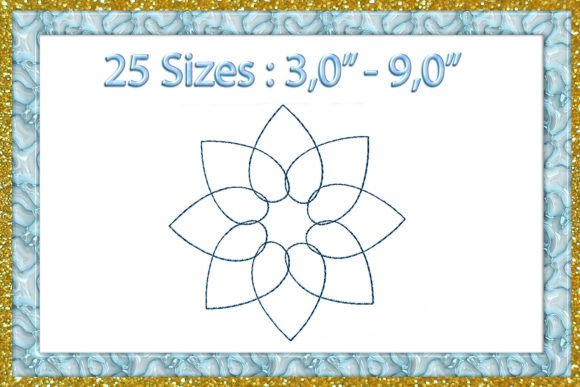
The immediate vibe of the Quilting Swirls Embroidery Design is one of gentle elegance. It does not shout for attention; rather, it whispers sophistication. The swirls evoke a sense of movement and softness, making them ideal for projects that require a touch of romance or nostalgia. Whether you are aiming for a sweet nursery look or a refined wedding aesthetic, these curves adapt beautifully. The detail level is balanced—complex enough to look intricate and high-quality, yet open enough to prevent excessive thread buildup on delicate fabrics. This balance is crucial for maintaining the handmade charm that customers seek in a personalized gift.
Versatility Across Product Lines
One of the strongest assets of this design is its adaptability. In my test runs, I found it performed exceptionally well across a variety of substrates. Here is how it translates to different popular items:
- Baby Embroidery: The soft curves are perfect for baby blankets and onesies. They feel safe and comforting, avoiding sharp angles that might seem too aggressive for infant items.
- Wedding Gift Keepsakes: When stitched in white or cream thread on linen, the design becomes a subtle, elegant accent for pillow covers or table runners, adding a layer of texture without overwhelming the fabric.
- Home Decor: For framed art or pillow covers, the swirls create a lovely focal point. They mimic the look of hand-quilted stitching, giving machine-made items a bespoke, artisanal feel.
- Everyday Carry: On tote bags and backpacks, the design adds a custom touch that elevates a basic item into a small shop product with higher perceived value.
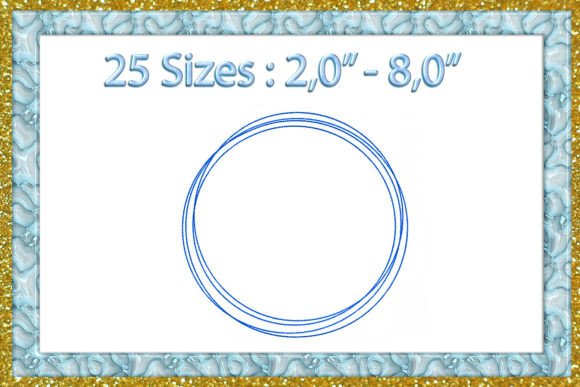
You can sew it on backpacks, tote bags, pillowcases, clothes, and framed art. This machine embroidery design comes with multiple embroidery file formats and can be used for various hoop sizes, which is a significant advantage for sellers who need to optimize their inventory for different machine capabilities.
Strategic Placement and Fabric Considerations
While the Quilting Swirls Embroidery Design is forgiving, it is not indestructible. Successful custom embroidery requires understanding where this design shines and where it needs careful handling. Because the design relies on continuous lines, it looks stunning on smooth fabrics like cotton, linen, and canvas. However, when working with textured fabric or thick towels, you must ensure your needle and thread weight are appropriate to prevent puckering.
For stretchy baby clothes, proper stabilization is non-negotiable. The swirls can distort if the fabric shifts during stitching. Similarly, on curved surfaces like the corner of a pillow cover or the side of a tote bag, hooping technique becomes critical. I recommend using a cut-away stabilizer for garments that will undergo frequent washing, such as an embroidered towel or apron, to ensure the design remains intact over time. Dark fabric presents another challenge; while the design looks striking in contrasting light threads, you must check your thread colors carefully to ensure the swirls do not get lost in the shadows of the material.
Enhancing Giftability and Customer Trust
In the world of online selling, particularly for an Etsy seller, the visual appeal of a product drives engagement. The Quilting Swirls Embroidery Design photographs beautifully because it adds dimension. When a customer sees the subtle sheen of the thread catching the light in a swirl pattern, they perceive a higher quality handmade product. This emotional connection is vital for converting browsers into buyers. A simple monogram might feel standard, but adding these decorative swirls around text or as a standalone element suggests extra care and effort, justifying a higher price point for your finished product.
Practical Notes for the Serious Crafter
Before you list this design in your store or use it for a client order, follow these practical steps to ensure professional results:
- Test on Scrap Fabric: Always stitch out a sample on the exact fabric type you plan to use. This helps you identify any tension issues before committing to a final piece.
- Check Thread Color Contrast: Create mockups using both light and dark threads. A printable mockup can help visualize the final look, but nothing beats a physical test stitch.
- Confirm Hoop Size: Ensure the design fits comfortably within your machine’s hoop. While the file comes in multiple formats, always verify the dimensions against your specific hardware.
- Review Stitch Density: High density can cause stiffness, especially on blanket embroidery or baby items. Check the settings in your software to see if adjustments are needed for softer drape.
- Use Proper Stabilizer: Match your stabilizer to the fabric weight. Tear-away may suffice for stable cottons, but cut-away is better for knits and items requiring durability.
- Inspect Small Details: After stitching, examine the start and end points of the swirls. Trim any jumps cleanly to maintain a polished look.
- Confirm Commercial Licensing: Before selling finished products, review the license terms provided with the embroidery file. Most designers allow commercial use for physical items, but it is essential to verify this to protect your business.
The Quilting Swirls Embroidery Design is a robust addition to any digital library. It offers the flexibility needed for diverse projects, from wedding gift accents to durable tote bag decorations. By respecting the technical requirements of stitch density and fabric choice, you can leverage this design to create products that resonate emotionally with customers. It is not just a pattern; it is a tool for storytelling through thread, helping you build a brand known for quality and thoughtful design.